

Understanding Dementia and End of Life Care
Dementia is a life-limiting condition that affects how a person thinks, feels, communicates and experiences the world around them. While Alzheimer’s disease is the most common cause, other types such as vascular dementia and Lewy body dementia can also have a profound impact on both the person living with the illness and those who care for them. With a growing ageing population, more families are finding themselves facing the challenges of dementia and end of life care. It can be an incredibly emotional journey, especially when a loved one begins to lose parts of their memory, personality, or independence. Recognising dementia as a life-limiting illness is a vital step in making sure the right support is in place, both in the earlier stages and as needs become more complex.
Caring for someone with dementia involves far more than simply managing their symptoms. It’s about seeing the person behind the condition – their life story, preferences, values and relationships. For this reason, dementia care must be built around a full understanding of the individual, including their medical history, emotional wellbeing, and cultural or spiritual beliefs. It often calls on input from a wide network of people, including healthcare professionals, social workers, palliative care teams and family members. As dementia progresses, planning for the later stages becomes increasingly important. While these conversations can be difficult, they allow families to feel more in control and ensure that the person's wishes are honoured. This is where advance care planning, palliative care and symptom management all come together to offer reassurance, comfort and dignity at the end of life.
Dementia Symptoms and Diagnosis
Recognising the early signs of dementia can be a confusing and emotional experience for families. It often begins with subtle changes – perhaps a loved one forgets names or becomes disoriented in familiar surroundings. Over time, these difficulties can become more noticeable, affecting memory, concentration, communication and day-to-day decision-making. For some people, changes in mood, behaviour or sleep patterns might be the first signs something is not quite right.
Dementia symptoms vary depending on the type of dementia. Alzheimer’s disease often leads to gradual memory loss and confusion, while vascular dementia may cause more sudden changes after a stroke or series of small strokes. Lewy body dementia can be more complex still, sometimes involving hallucinations, stiffness or disturbed sleep. Whatever the form, these symptoms can be distressing for both the person affected and those closest to them.
Seeking a proper diagnosis is an important step, not only in understanding what is happening but in planning ahead. A thorough assessment allows healthcare professionals to identify the type and stage of dementia, and to begin building a personalised approach to care. This process might include cognitive testing, physical health checks, brain scans and conversations with family members who can provide insight into the person's recent changes.
It’s important to remember that dementia can sometimes be confused with other conditions, especially in the early stages. For example, urinary tract infections in older adults can cause sudden confusion and memory problems, often known as delirium. Having a clear diagnosis means families can receive the right support and avoid unnecessary worry.
End of Life Care Options
As dementia reaches its later stages, the focus of care often begins to shift. The needs of the person may become more complex, and families may start to consider the type of support that will provide the most comfort and dignity during this time. Understanding end of life care options can bring a sense of clarity and reassurance during what is often a deeply emotional period.
End of life care for someone with advanced dementia is about easing discomfort, supporting emotional wellbeing and preserving quality of life. For many families, this stage includes exploring options such as hospice care, palliative care, or nursing home care, depending on the person’s needs and the support available at home.
Hospice care is designed to support people with terminal illnesses, including dementia. It offers a calm and compassionate setting where symptom management and emotional support are central. The environment is often quiet and home-like, helping the person feel at ease while giving families space and support throughout the final stages of life.
Palliative care, which can be delivered at home, in hospital or in a care setting, focuses on comfort and symptom relief rather than curative treatments. This might involve managing pain, helping with breathlessness, improving sleep, or supporting with nutrition. The palliative care team often works closely with the family to ensure the person’s emotional, spiritual and social needs are also met. These professionals offer invaluable guidance and reassurance, helping relatives understand what to expect and how best to be involved.
In some cases, nursing care may be needed around the clock. A care home with nursing staff on site can provide a safe and supportive environment for someone with advanced dementia, especially if their needs go beyond what can be managed at home. These settings also allow families to spend meaningful time together without the pressure of providing care alone.
No single approach is right for everyone, which is why it’s important to explore options early. Having open conversations with healthcare professionals allows families to make informed decisions that reflect the person's values, beliefs and wishes.
Advance Care Planning
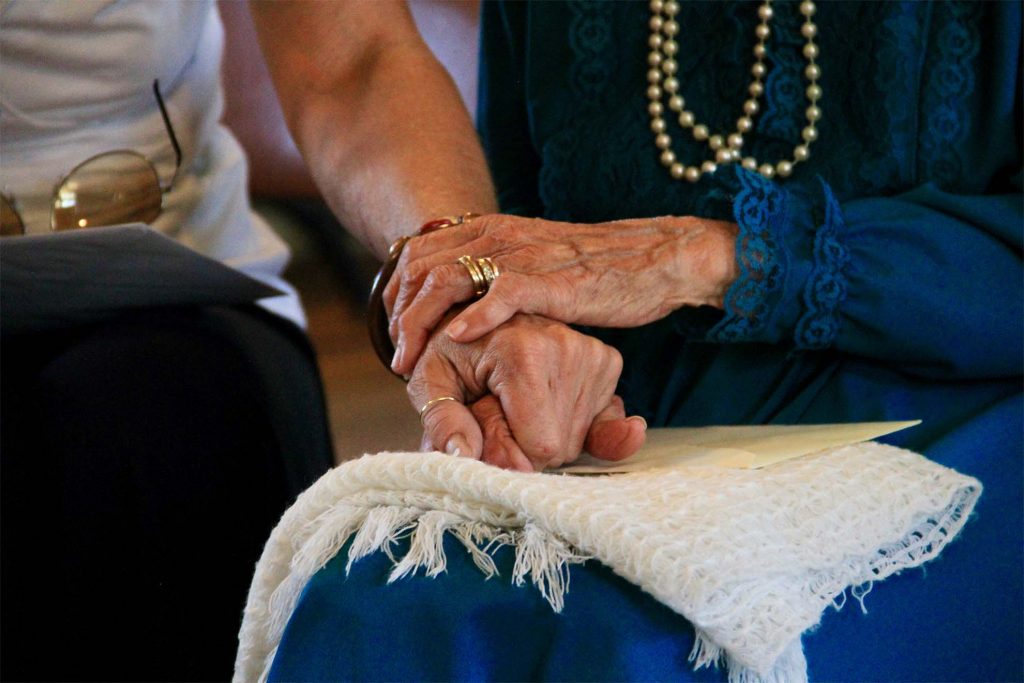
When someone is living with a life-limiting condition like dementia, early conversations about their future care can make a meaningful difference. Advance care planning gives people the opportunity to express their wishes, values and preferences for how they would like to be cared for as their condition progresses. These decisions can offer clarity and peace of mind to both the person and their loved ones, especially as they move towards the later stages of life.
An advance care plan is more than a medical document. It reflects the whole person – their beliefs, routines, hopes and fears – and becomes a guide for families and healthcare professionals when the person may no longer be able to express themselves clearly. It might include preferences about pain relief, where they would like to receive care, who they want involved in decisions, or any spiritual or religious practices that bring comfort.
Creating an advance care plan is a shared process. It involves open, honest conversations between the person with dementia, their family members, and a range of professionals including nurses, social workers, and palliative care teams. These discussions should happen early, while the person is still able to make decisions and communicate their wishes. It’s also important that the plan is reviewed and updated regularly, especially if the person’s condition or circumstances change.
There are also legal tools available to help record decisions. Some families choose to document wishes using advance statements or advance decisions, which help ensure that the person’s voice continues to be heard in future care planning. While these can feel like difficult conversations to begin, many families find comfort in knowing they are honouring their loved one’s choices when the time comes.
Support for Carers and Family
Caring for someone with dementia is a deeply personal experience, often shaped by love, loyalty and a sense of duty. But it can also be incredibly demanding – physically, emotionally and mentally. As the person’s needs increase, family members can find themselves feeling overwhelmed, isolated or unsure about how best to support their loved one. That’s why it’s so important that carers have access to the right support services throughout the dementia journey.
Emotional support plays a key role in helping carers manage the many feelings that can arise, from sadness and guilt to frustration or grief. Simply having someone to talk to – whether a counsellor, support group or a trusted healthcare professional – can be a lifeline during the more difficult days. Many families also benefit from guidance on what to expect as dementia progresses, so they can plan ahead and feel more prepared. Understanding the condition through the right education process can reduce anxiety and help carers feel more confident in their role.
Respite care is another important form of support. It gives carers the chance to rest, recharge or simply have a few hours to themselves, knowing that their loved one is safe and well looked after. This break is not a luxury – it’s an essential part of sustaining long-term care at home and protecting the wellbeing of those providing it.
When the time comes to say goodbye, bereavement support becomes just as vital. The loss of someone with dementia can bring complicated emotions, especially if the grieving process began gradually over many months or years. Being able to access specialist support during this time can help family members find comfort, process their feelings and begin to heal at their own pace.
Carers should never feel that they have to face this journey alone. Whether through emotional support, practical advice, or simply a listening ear, there are professionals and services ready to stand alongside them – every step of the way.
Palliative Care and Symptom Management
As dementia reaches its more advanced stages, the focus of care often becomes less about treatment and more about comfort. This is where palliative care plays such an important role. Rather than being limited to the very final days, palliative care can be introduced earlier, offering support for a wide range of needs – physical, emotional and spiritual – as part of a compassionate, person-centred approach.
For someone living with advanced dementia, symptoms may include pain, anxiety, difficulty swallowing, changes in sleep, and increasing frailty. There may also be a loss of awareness or the ability to communicate clearly. These can be difficult changes for families to witness, but with skilled symptom management, many of these issues can be eased, allowing the person to feel calmer, more comfortable and cared for.
The palliative care team often includes doctors, nurses, social workers and spiritual advisors, working together to offer coordinated, holistic support. They may use medication, gentle therapies or non-medical approaches to reduce distress. But their role goes far beyond managing physical symptoms – they also support the emotional wellbeing of both the individual and their loved ones, helping to create a sense of calm and dignity even during the most vulnerable stages.
Families are often reassured to know that their loved one is not suffering and that every effort is being made to keep them as comfortable as possible. It’s also a time when life planning becomes even more important – from honouring preferences about where the person wants to be cared for, to supporting any cultural or spiritual beliefs that bring peace and meaning.
Good palliative care also supports those left behind. As dementia progresses, the sense of loss can begin long before death occurs, and families may need help coming to terms with what’s ahead. The palliative care team is there to listen, guide, and offer both practical advice and emotional support during these complex and tender moments.
Creating a Personalised Care Plan
Every person living with dementia has their own unique story – shaped by their experiences, beliefs, routines, and relationships. That’s why a personalised care plan is such a vital part of supporting someone through the journey of dementia and towards the later stages of life. Rather than offering a one-size-fits-all approach, this kind of planning ensures that care is built around the individual, not just their diagnosis.
A good care plan takes into account far more than just medical needs. It should reflect the person’s life story – what matters to them, what brings comfort, and how they prefer to be supported. Whether that includes listening to favourite music, enjoying a cup of tea in a certain mug, or following spiritual rituals that bring peace, these small details are often what provide the greatest reassurance as dementia progresses.
Developing this plan is a shared effort. Healthcare professionals, carers, and family members all have a role in building a picture of the person’s needs, preferences and values. For many, it will also include input from social services and the palliative care team, especially when planning for more complex or end of life care.
As the person’s condition changes, the care plan should be reviewed regularly and adapted accordingly. This ongoing process helps to ensure that care remains consistent, responsive and respectful of the person’s current wishes and abilities. It also gives families the chance to feel involved and informed, offering a sense of continuity even during times of uncertainty.
A truly personalised care plan not only supports the person with dementia – it also strengthens the confidence of those providing care. It offers guidance, reassurance and clarity, helping everyone involved to feel they are working together towards the same goal: maintaining comfort, dignity and a sense of self, even in the most advanced stages of a life-limiting condition.

Cultural and Spiritual Needs
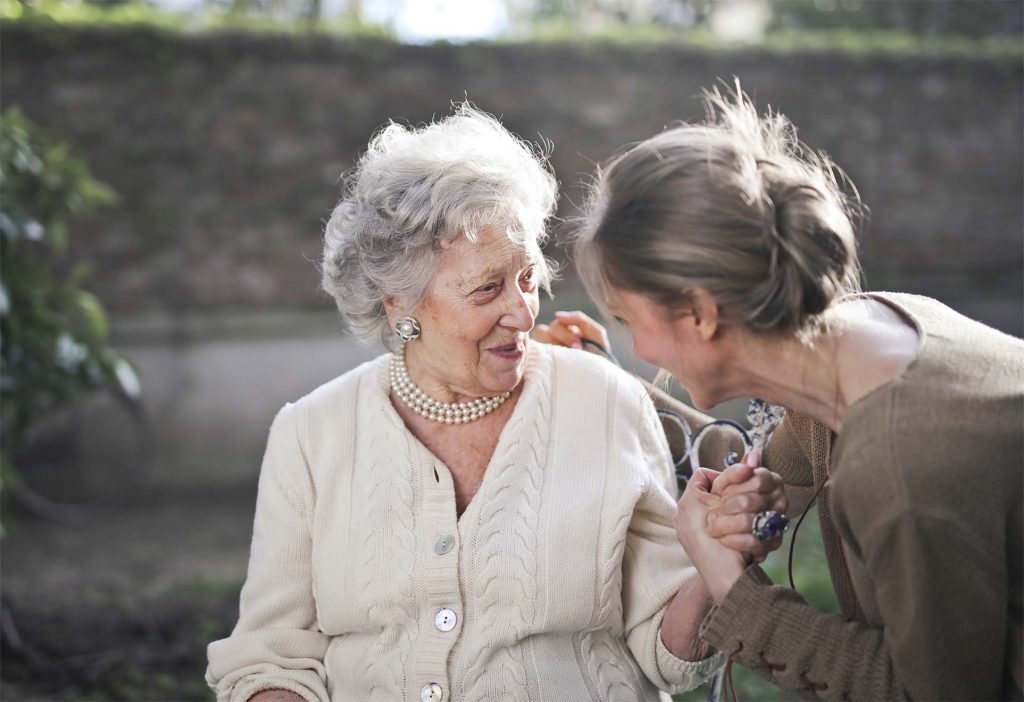
For many people, cultural background and spiritual beliefs remain central to who they are, even as dementia begins to change other aspects of their life. These beliefs can shape how a person understands illness, how they express emotion, and what brings them peace. Recognising and honouring these elements is a vital part of delivering truly compassionate and respectful end of life care.
Whether someone finds comfort in prayer, music, rituals or a connection to their community, meeting these spiritual needs can be deeply reassuring – not only to the person with dementia, but also to their loved ones. In some cases, even when memory and communication are affected, a familiar religious hymn or cherished object can spark a moment of clarity or calm.
Cultural needs may also influence the way care is provided. This might include dietary preferences, personal care routines, or the way pain is expressed and managed. It’s important for healthcare professionals, social workers, and carers to understand and respect these preferences, particularly when the person can no longer explain them for themselves.
These details should form part of the personalised care plan, ideally discussed early on so that the person’s values and traditions can be upheld even in the later stages of a life-limiting illness. Involving family members can be particularly helpful, as they often know what will bring the most comfort and meaning.
Spiritual care doesn’t always involve religion. For some people, it may be about nature, art, or simply feeling safe and understood. The most important thing is to listen with empathy and to create an environment where the person feels supported in every sense – physically, emotionally and spiritually.
Environmental Considerations
The environment in which someone receives care can have a profound effect on their wellbeing. For a person living with advanced dementia, surroundings that are calm, familiar and supportive can help reduce anxiety, ease confusion and encourage a greater sense of safety. As end of life care approaches, a well-considered setting can also bring comfort and dignity to the person, while reassuring family members that their loved one is being cared for with compassion and attention to detail.
A suitable care environment should feel as much like home as possible. That might mean having personal items nearby, photographs on the wall, or favourite music playing gently in the background. These small touches help to anchor someone in their identity, especially when memory and communication are affected.
Lighting, temperature and layout are also important. A well-lit room with natural light can support a healthy sleep pattern and reduce feelings of disorientation, while good ventilation and warmth ensure physical comfort. Spaces that are free from clutter and trip hazards are essential for safety, particularly for those at risk of falls. In care homes, this becomes part of a broader approach to nursing care that prioritises both physical health and emotional wellbeing.
As the person nears the end of life, privacy and peace become especially important. Whether they are receiving care at home, in a hospice or in a nursing setting, the room should be quiet and calm, allowing loved ones to spend time together without unnecessary noise or interruption. For families, knowing their relative is in a supportive and respectful environment can make a difficult time feel a little more manageable.
NHS Continuing Healthcare
When a person is living with a life-limiting condition such as advanced dementia, their care needs can become significant and complex. In some cases, the NHS may cover the full cost of care through a package known as NHS Continuing Healthcare. For many families, this can offer much-needed financial relief and reassurance at a time when decisions about care are already emotionally challenging.
NHS Continuing Healthcare, often referred to as CHC, is a type of funding provided by the NHS for individuals who have ongoing health needs and require a high level of care. This support can be provided in a range of settings, including in a person’s own home, in a nursing home, or in a hospice, depending on what is most suitable.
Eligibility for CHC is not based on a diagnosis alone, but on the level of care required. For those with advanced dementia, this might include help with mobility, continence, medication, symptom management, communication difficulties, and emotional or psychological support. The assessment takes a holistic view of the person’s physical, emotional and cognitive needs, as well as how complex and unpredictable their care may be.
The assessment is usually carried out by a multidisciplinary team, including healthcare professionals and social workers, who work together to build a clear picture of the person’s care requirements. Family members are also encouraged to be part of the process, as their insight and understanding can be invaluable in helping assessors fully understand the person’s condition and daily needs.
For many facing the realities of dementia and end of life care, NHS Continuing Healthcare can provide not only practical support, but also peace of mind – knowing that care is being guided and funded based on need, not personal finances.
Advance Care Planning Tools
Planning ahead is one of the most meaningful ways to ensure that someone living with dementia receives care that reflects their values, preferences and beliefs. While these conversations can be emotionally difficult, they also offer clarity and peace of mind for everyone involved. Advance care planning tools are a key part of this process, helping to document what matters most and guide decision-making as the person’s condition progresses.
There are different ways to record a person’s wishes. An advance statement is a written record of preferences, such as how someone would like to be cared for, what kind of environment brings them comfort, and who they would like involved in their care. Though not legally binding, advance statements are still a powerful way of making sure the person’s voice is heard, even if they are no longer able to express their wishes clearly.
A legally binding option is an advance decision to refuse treatment, sometimes known as a living will. This allows someone to refuse specific medical treatments under certain circumstances, such as resuscitation or hospital admission in the later stages of a life-limiting illness. These decisions can be difficult to think about, but they ensure that care is delivered in line with the person’s own values and beliefs.
For people living with advanced dementia, these tools can provide a sense of autonomy and dignity, and can help reduce anxiety for family members who may otherwise be faced with making difficult decisions during a time of distress. Having a clear record of the person’s wishes also supports healthcare professionals, social workers and the palliative care team in delivering care that is respectful and compassionate.
It’s important to remember that advance care planning is not a one-off task. These tools should be reviewed regularly, especially as the person’s needs change. Any updates should be clearly recorded and shared with those involved in the person’s care, including GP practices, care homes and family members.
Taking the time to create an advance care plan is an act of love and respect. It allows families to feel more confident in their choices and ensures that the care provided remains focused on the person – not just their condition, but their life, their values, and what matters most to them.
Dementia Care at Home
Caring for someone at home may begin with small adjustments – reminders on doors, gentle routines, and support with daily tasks. Over time, more specialised help may be needed, such as assistance with personal care, medication, or mobility. This care can be provided by family members, visiting carers, district nurses and sometimes the palliative care team, particularly when end of life care becomes a consideration.
Support services play a vital role in helping families provide this care. From regular visits by healthcare professionals to access to dementia respite care, families should never feel that they are doing this alone. Emotional support and practical guidance are equally important. Knowing how to respond to changes in behaviour, or when to seek help for things like urinary tract infections, can make all the difference to the person’s comfort and quality of life.
Care Home Considerations
There may come a time when caring for a loved one at home becomes too difficult, even with support. As dementia progresses, needs can become more complex, and ensuring round-the-clock care, safety, and comfort may feel overwhelming. In these situations, a care home can provide a supportive and reassuring environment, offering both the person with dementia and their family a greater sense of security and peace of mind.
Choosing a care home is never an easy decision, but it can be the right one – particularly when the focus shifts to nursing care, symptom management, and providing comfort during the later stages of a life-limiting illness. A good care home will feel calm, welcoming and homely, with a team that understands how to care for someone living with advanced dementia with dignity and compassion.
Before making a decision, it’s important to visit potential homes, speak with staff and ask about their approach to palliative care, end of life care, and personalised support. The best settings will take time to understand the person’s life story, preferences, routines and beliefs. This ensures care is not only safe and effective, but also deeply personal.
Care homes can also provide opportunities for gentle stimulation and connection. Whether it’s through quiet activities, music, or time outdoors, many homes are designed to support both emotional wellbeing and social interaction, even in the later stages of dementia. The environment plays a vital role too – offering safe spaces with good lighting, calm colours and thoughtful design to support comfort and reduce confusion.
Families often find reassurance in knowing that professionals are always close by – including carers, nurses, and sometimes members of the palliative care team. This level of support means that any changes in condition can be quickly noticed and responded to, giving families confidence that their loved one is being well looked after. Many families find that a well-chosen setting provides real comfort – a place where loved ones are not only cared for, but cared about, right through to the very end of life.
Specialist Dementia Care at Cedar Lodge Care Home
Dementia and end of life care is about more than managing symptoms. It’s about preserving dignity, recognising the individual behind the illness, and creating an environment where comfort, compassion and person-centred care are prioritised at every stage. Whether through palliative care, advance care planning, or the support of healthcare professionals and family members, it is possible to ensure that the final chapter of life is approached with sensitivity, clarity and kindness.
Every person deserves to be cared for in a way that reflects who they are – their preferences, their values, and their life story. And every family deserves to feel supported, informed and reassured along the way. If you’re exploring care options for a loved one living with dementia, we’re here to help. Cedar Lodge Care Home in Taunton offers experienced, compassionate support for individuals and families navigating dementia and end of life care. To learn more or arrange a friendly chat, please get in touch.